Source Wall Mounted Melamine Hanging Basket for Laundry, Hotel, Home
Find and compare 30 wall mounted melamine hanging basket options from China. These durable, eco-friendly storage solutions support OEM customization and custom logos for laundry, hotel, and home use; compare the available evidence and request quotations based on your requirements.
Key considerations
Products List


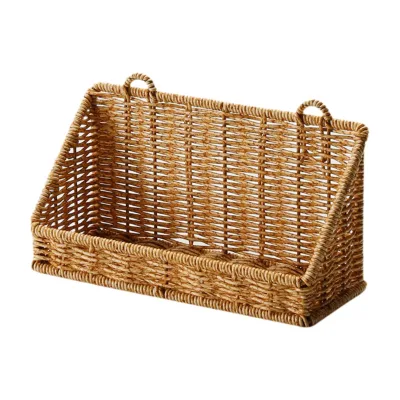
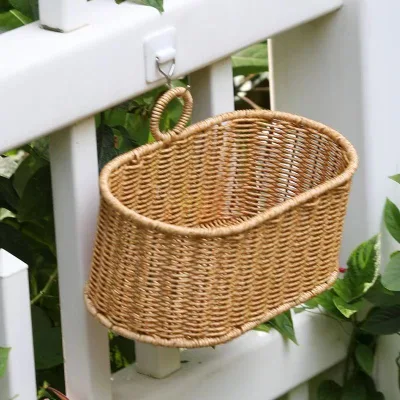


Comprehensive Sourcing Guide
Wall Mounted Melamine Hanging Basket Sourcing Guide
Buyers evaluating wall-mounted melamine hanging baskets must first distinguish between the specific melamine resin products and the diverse storage solutions currently listed in the market. While the core keyword targets melamine, the observed product data reveals a significant presence of cotton, stainless steel, and wire-based storage baskets with varying shapes and layer counts. This discrepancy requires immediate clarification to ensure the procurement team is not inadvertently sourcing cotton laundry bags or stainless steel spice containers instead of the intended rigid melamine units.
The observed listing signals indicate a wide range of customization options, including custom logos, OEM services, and specific size acceptances, which are critical for branded retail projects. However, the material composition varies significantly across the dataset, with some items explicitly listed as cotton or stainless steel rather than melamine. Procurement specialists must verify the material composition of every sample before proceeding, as the structural integrity and surface finish of melamine differ fundamentally from the woven or metallic alternatives found in the current inventory.
Product Scope and Observed Listing Signals
The product scope for wall-mounted storage includes items designed for household organization, hotel amenities, and general laundry use, as evidenced by the observed usage tags. Buyers should note that while some listed items are explicitly categorized as storage baskets with drawer designs, others are defined by their shape as irregular or common, and their folding status as unfolded. This variation suggests that the market offers both rigid, fixed-mount solutions and flexible, collapsible units, necessitating a clear definition of the required mounting mechanism and structural rigidity.
Observed listing signals highlight that packaging varies from single PE bags to standard carton packing, which impacts logistics planning and unit economics. The presence of specific model numbers like H5004 and H5005 alongside generic descriptions indicates a fragmented supply chain where distinct SKUs may share similar functional attributes but differ in dimensions or finish. Buyers must cross-reference the specific model numbers with the requested melamine specifications to avoid receiving mismatched inventory, particularly when the observed data includes items with chrome surface treatments or specific wire diameters that do not align with melamine properties.
Technical Specifications to Verify
Technical verification must begin with the material composition, ensuring the product is strictly melamine resin and not the cotton or stainless steel variants frequently appearing in the search results. Buyers should request physical samples to confirm the surface treatment, as the observed data includes chrome plating and plastic spray finishes that are incompatible with standard melamine manufacturing processes. The absence of explicit melamine thickness or density data in the current listings requires the buyer to define minimum structural requirements to prevent warping or breakage during installation.
Dimensional accuracy is another critical verification point, as the observed data lists specific standards such as L280W130H135cm and 5.5 X 8.5 X 4 Inches, which may not apply to the target melamine product. The wire diameter of 3.5mm noted in the dataset is irrelevant for solid melamine units but essential if the design incorporates a wire frame. Procurement teams must establish a precise specification sheet that defines the exact length, width, height, and number of layers, ensuring the supplier understands that the product must be a rigid, wall-mounted unit rather than a flexible basket or a floor-to-ceiling shelving system.
Compliance and Safety Documentation
Compliance documentation for melamine products should focus on food contact safety, given that the observed data includes items used for food, spice, and tableware applications. Although the current listings mention eco-friendly advantages and safety attributes, they do not explicitly confirm compliance with specific international food safety standards for melamine resin. Buyers must request certificates verifying that the melamine material is free from excessive formaldehyde migration and meets the regulatory requirements for the intended market, whether it be household storage or commercial food service.
Safety documentation must also address the structural integrity of the wall-mounting hardware, as the observed product range includes items with designs that may not support heavy loads. The presence of "safety" as a listed advantage is a general claim that requires substantiation through load-bearing test reports or engineering certifications. Procurement teams should verify that the mounting brackets and adhesive systems, if included, are rated for the specific weight of the intended contents, ensuring that the product does not pose a falling hazard in high-traffic areas like hotels or kitchens.
Cost Drivers and Commercial Terms
Cost drivers for wall-mounted melamine baskets are heavily influenced by the level of customization, including custom logos, OEM branding, and specific size acceptances observed in the market. The observed MOQ of 200 pieces serves as a baseline, but buyers should anticipate higher minimums for complex customizations or unique color requirements. The payment terms listed as T/T are standard, but the lead time of 30-45 days indicates a production cycle that requires careful inventory planning to avoid stockouts, especially for seasonal retail demands.
Commercial terms must also account for the variability in packaging, ranging from single PE bags to carton boxes, which affects shipping volume and cost efficiency. The observed price range of 0.2 to 14.99 USD suggests a wide disparity in product quality and feature sets, requiring buyers to align their budget with the desired durability and finish. Buyers should negotiate clear terms regarding the handling of defective units and the responsibility for shipping costs, ensuring that the final landed cost reflects the true value of the melamine product rather than the lower-cost alternatives found in the general listing.
Supplier Qualification and Quality Control
Supplier qualification should prioritize manufacturers with proven experience in melamine resin molding and wall-mounting hardware integration, rather than those primarily producing cotton or wire-based storage. The observed data shows origins in Shandong and Guangdong, China, which are known manufacturing hubs, but buyers must verify the specific factory capabilities to ensure they can produce rigid melamine units rather than the flexible or metallic items currently listed. A site audit should confirm that the production line is dedicated to the specific material and design requirements of the wall-mounted basket.
Quality control protocols must include rigorous testing for surface finish durability, as the observed data mentions chrome and plastic spray treatments that may not be applicable to melamine. Buyers should implement a pre-shipment inspection that checks for delamination, color consistency, and the strength of the mounting points. Given the observed advantage of durability, the supplier must provide evidence of stress testing to ensure the baskets can withstand the weight of typical household or hotel items without bending or detaching from the wall.
Long-Term Procurement Checks
Long-term procurement checks should focus on the consistency of the melamine material quality over multiple production batches, as variations in resin formulation can affect the product's lifespan and appearance. Buyers must establish a protocol for periodic re-verification of the product's compliance with food safety and structural standards, ensuring that the supplier maintains the same quality levels as the initial samples. This is particularly important given the observed diversity in product models and the potential for suppliers to substitute materials without notice.
Supply chain resilience is another critical check, requiring the buyer to monitor the supplier's ability to meet the 30-45 day delivery window consistently. The observed lead times and MOQs suggest a production environment that may be subject to fluctuations, so buyers should maintain a buffer stock or develop a secondary sourcing strategy. Regular performance reviews should assess the supplier's responsiveness to customization requests and their ability to maintain the eco-friendly and safety attributes that are key selling points for the wall-mounted melamine basket category.
FAQs
Can I get a custom logo on the hanging baskets?
Yes, custom logo acceptance is available for these storage solutions. Buyers can request personalized branding to enhance their product identity. This customization service allows for unique marketing opportunities. The OEM service is accepted, ensuring that specific design requirements can be met. This feature supports brand visibility in retail or hospitality settings.
What is the minimum order quantity for these items?
The standard minimum order quantity is 200 pieces. This baseline ensures efficient production and shipping logistics for buyers. However, observed listings show a broader range from 10 to 5000 units. Buyers should confirm the exact MOQ with the supplier before placing an order. This flexibility accommodates both small trials and large bulk purchases.
How long does delivery take for these baskets?
The typical delivery time is 30 to 45 days. This timeframe accounts for production, quality checks, and shipping preparation. Buyers should plan their inventory needs accordingly to avoid stockouts. The lead time may vary based on order volume and customization requests. Confirming the schedule with the manufacturer ensures timely receipt of goods.
What materials are used in these storage baskets?
The products are made from cotton and stainless steel materials. Cotton variants offer eco-friendly and durable storage options for home use. Stainless steel models provide robust solutions for food or spice storage. The material choice depends on the specific model and intended usage. Buyers can select the material that best fits their functional requirements.
Are these baskets suitable for hotel or home use?
Yes, these baskets are designed for laundry, hotel, and home applications. They serve as versatile storage solutions for various environments. The durable construction ensures longevity in high-traffic areas like hotels. For homes, they offer organized storage for sundries or food items. The common shape and medium size make them adaptable to different spaces.
What payment terms are accepted for these orders?
The accepted payment method is T/T, or Telegraphic Transfer. This is a standard secure payment method for international B2B transactions. Buyers should arrange the transfer according to the supplier's invoice details. Clear communication regarding payment schedules helps streamline the procurement process. This method ensures financial security for both the buyer and the seller.